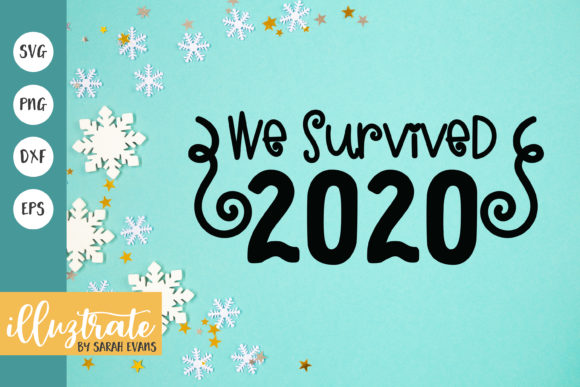
We Survived 2020 Embroidery Design Review
As a designer and embroidery product reviewer with years of experience in crafting custom apparel, personalized gifts, and small shop merchandise, I always approach new designs with a practical mindset. We Survived 2020 is one of those SVG cut files that immediately caught my eye for its sentiment and potential in real-world embroidery projects. Let’s take a closer look at how it holds up when applied to actual handmade products and what considerations are important for both hobbyists and commercial users.
First Impressions: Mood and Visual Personality
The phrase “We Survived 2020” brings an instant emotional connection—nostalgia, relief, and resilience all wrapped into one simple statement. As an embroidery design, the layout is clean, with bold lettering that feels modern yet warm. The shape is balanced and well-proportioned, which is great news for anyone planning to stitch this onto tote bags, sweatshirts, or other craft items.
What stands out is how adaptable the visual personality of the design is. It can be playful or sincere, depending on the context and color choices. The detail level is moderate, making it suitable for most embroidery machines without overwhelming them with complexity. This kind of machine embroidery design is ideal for creating a personal touch on everyday items like aprons, tea towels, or even baby clothes, where a meaningful message can elevate the gift from ordinary to heartfelt.
Best Use Cases
I see We Survived 2020 fitting naturally into several categories:
- Tote bag design: A large format item where the message can really shine. Stiched in bright colors on a white canvas bag, it becomes a conversation starter and a wearable tribute.
- Sweatshirt embroidery: Perfect for cozy, oversized sweaters. The design adds a nostalgic flair that appeals to customers looking for comfort and character.
- Embroidered patch: Ideal for adding to jackets, backpacks, or denim. It works well as a stand-alone statement piece or part of a collage of pandemic-era memories.
- Baby clothes or nursery decor: For parents who want to mark the year their child was born, the design offers a unique way to commemorate the time while still being soft and appropriate for delicate fabrics.
- Holiday gifts: Stitched onto pillows or kitchen towels, it makes for a memorable holiday item that resonates with people who lived through the challenges of 2020.
Real-Life Performance in Embroidery Projects
When considering how We Survived 2020 performs in actual embroidery work, there are a few key points to evaluate. First, the design's structure supports both applique and direct embroidery methods, which is helpful for versatility. The letters are fairly uniform in width, so they won’t distort too much on stretchy materials if you adjust stitch density accordingly.
In terms of stitch clarity, the design uses a combination of satin stitch and some fill stitch areas, depending on how you choose to apply it. If using satin stitch around the letters, it's important to ensure your machine can handle the coverage without puckering, especially on thinner or more delicate fabrics.
For custom apparel such as t-shirts or sweatshirts, the design looks best when centered and given enough space around it. I’d recommend using a minimum of two contrasting thread colors to highlight the phrase effectively—especially if the background fabric is dark. On lighter backgrounds, a single bold color could be enough to make the design pop.
Testing this design on a printable mockup before cutting or stitching is a good idea. You’ll get a better sense of scale and how it interacts with different product types. Whether it’s for a handmade product or a small shop product, seeing the design in context helps avoid surprises after production.
Design Considerations for Craft Business Owners
If you're an Etsy seller or running a boutique-style craft business, this design can serve as a strong branding asset. Its theme is timely and relatable, which can boost buyer engagement. However, keep in mind that the message might have a limited shelf life, so consider pairing it with more timeless elements or using it seasonally, perhaps during holidays or back-to-school promotions.
For commercial embroidery use, check the licensing agreement before selling any finished items. Since the product description doesn't specify whether it’s for personal or commercial use, it's crucial to confirm that. If you plan to offer digital embroidery files or design assets for resale, double-check the permissions to avoid legal issues down the line.
Where to Use We Survived 2020 with Caution
While this design is versatile, there are certain scenarios where it might not perform as well. Here are a few things to watch out for:
- Small hoop sizes: The text may become too cramped or lose clarity if forced into a tiny hoop. Always review the dimensions before finalizing placement.
- Textured fabrics: Materials like felt or fleece can affect stitch definition. You may need to adjust stitch density or test with stabilizer to maintain quality.
- Thin or stretchy fabrics: These can cause distortion or puckering, particularly in dense satin-stitched areas. Test the design on a scrap piece first to ensure it lays flat and stitches smoothly.
- Dark fabric backgrounds: Thread contrast is essential here. White or pastel threads will show better than darker ones. Also, test the design in black and white to preview how it will look under various lighting conditions.
- Curved surfaces: The linear nature of the design may require additional tweaking for curved placements. Look into using a curved backing or adjusting the design in your software for a smoother finish.
Thread Color Tips and Fabric Compatibility
Choosing the right thread colors is key to making this design impactful. Bright shades like red, blue, or yellow work well for high visibility, but don’t forget to consider the overall aesthetic of your project. Neutral tones like gray or navy can give it a more subdued, professional feel—ideal for small business merchandise or branded items.
On thin fabric, using a light-weight tear-away stabilizer underneath helps prevent stretching. For heavier textiles like canvas or denim, a wash-away stabilizer may suffice. Always inspect the stitch density settings in your software, especially if you're working with running stitch details or intricate corners.
Enhancing Product Value and Customer Trust
A well-executed We Survived 2020 embroidery can significantly enhance the value of a personalized gift or handmade product. It adds a layer of meaning that customers appreciate, especially when it comes to holiday gifts or keepsakes. The emotional resonance of the phrase increases giftability and makes it more likely to be cherished rather than discarded.
From a branding perspective, this design can help establish brand consistency across multiple items. Think about including it on aprons, mugs, or even embroidered patches for a cohesive collection. When customers recognize your signature style, it builds trust and encourages repeat purchases.
Professionalism and Presentation
Even though the phrase is casual, the execution of the embroidery should reflect professionalism. Clean lines, consistent tension, and attention to detail matter—especially for apparel decorators and digital product sellers. If the design appears sloppy due to poor setup, it could reduce the perceived value of your finished product.
For embroidery designers and creative entrepreneurs, presenting this design as part of a curated set of design assets can attract buyers who are looking for ready-made content. Make sure your previews include mockups on different products and color variations to showcase its adaptability.
Designer Notes for Real Project Use
Here are some quick tips for anyone planning to use We Survived 2020 in their next project:
- Test on scrap fabric before moving to the final piece.
- Review stitch density and adjust for the specific fabric type.
- Confirm hoop size requirements to avoid resizing issues.
- Inspect small details—especially corners and spacing between letters—for clarity.
- Use proper stabilizer to prevent puckering and distortion.
- Compare how the design looks on both light and dark fabric backgrounds.
- Check whether it aligns with your brand identity and customer expectations.
- Always verify licensing terms if you plan to sell digital embroidery files or finished goods.
Final Thoughts
We Survived 2020 is more than just an SVG cut file—it’s a design that tells a story. In the hands of a skilled crafter, it can transform a basic tote or sweatshirt into something meaningful and marketable. But like any embroidery project, success depends on thoughtful preparation and understanding the nuances of your materials and tools.
Whether you’re an embroidery designer creating for clients or a handmade shop owner expanding your product line, this design has the potential to resonate deeply with customers. Just remember to treat it like any serious machine embroidery design—with care, creativity, and a bit of testing before committing to full-scale production.