House Silhouette Pattern Theme: A Versatile Graphic for Crafts and Local Branding
As a brand designer working with local businesses, I'm always on the lookout for design assets that bring personality and visual harmony to branding projects. The House Silhouette Pattern Theme is one such graphic design asset that caught my eye recently. With its elegant simplicity and strong symbolic presence, it offers a unique opportunity to elevate the look of product packaging, labels, promotional materials, and more. In this review, I’ll walk through how this pattern can be applied in real-world small business scenarios, where it shines, and when it might need some careful handling.
A Warm and Welcoming First Impression
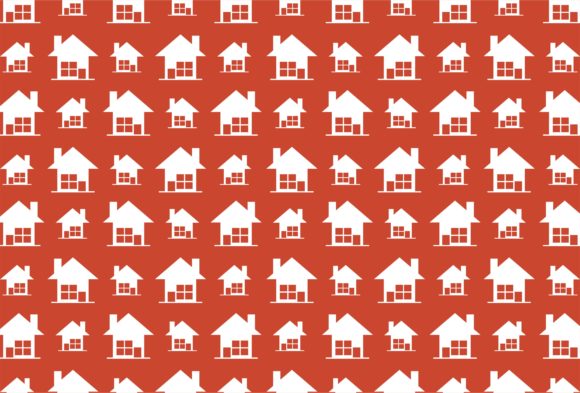
The House Silhouette Pattern Theme immediately evokes a sense of home, nostalgia, and community. Its subtle lines and balanced composition suggest a friendly, approachable brand identity—perfect for local shops or handmade businesses aiming to create an emotional connection with customers. Depending on how you layer and colorize it, the pattern can feel rustic or modern, cozy or chic. This makes it ideal for brands in the food, home decor, or gift industries, especially those targeting seasonal markets or family-oriented audiences.
Real-World Applications for Small Business Branding
Let’s imagine applying this design to a local bakery called “Hearth & Crumb.” The House Silhouette Pattern could serve as a background element for their product labels, subtly reinforcing the idea of home-baked goodness. Here are some practical uses I see for this graphic:
- Product Labels: Add a touch of charm by using the pattern as an accent behind product names or descriptions. It works particularly well on jars, tins, and boxed items.
- Packaging Design: Use the pattern as a decorative border or watermark on boxes and bags. It helps differentiate your brand from competitors while maintaining a clean layout.
- Social Media Graphics: For seasonal promotions like holiday cookies or summer breads, overlay the pattern onto Canva templates or custom banners to enhance the festive mood.
- Hang Tags & Thank-You Cards: Incorporate the silhouette into thank-you cards or hang tags for a cohesive brand experience across all customer touchpoints.
- Menu Graphics: When designing café menus or take-home cards, use the pattern to highlight house specialties or seasonal offerings.
Supporting Stronger Brand Presentation
Graphic design assets like the House Silhouette Pattern Theme aren’t just about aesthetics—they’re tools for building trust and recognition. When used thoughtfully, they can contribute to several key aspects of professional branding:
- Better Product Recognition: The consistent use of silhouettes helps reinforce brand recall across different products and marketing channels.
- Strong Visual Hierarchy: Because the pattern is not overly busy, it allows text and imagery to stand out clearly without competing for attention.
- Emotional Connection: The house motif naturally suggests warmth, tradition, and care—qualities many local businesses want to convey.
- Improved Shelf Appeal: Especially in boutique stores or farmers’ markets, this pattern can help your packaging pop and feel more curated.
- Professional Branding Consistency: The availability of vector formats (EPS and SVG) means you can scale the pattern without losing quality, ensuring consistency across all sizes and surfaces.
Where the Asset Works Best
This pattern excels in specific design contexts where subtlety and symbolism matter. Here are a few standout applications:
- Hero Graphics: As a background element on hero sections of websites or social media posts, it adds depth without overwhelming the message.
- Seasonal Packaging Accents: During holidays or special events, adding a house silhouette pattern to gift boxes or limited-edition products gives them a personal touch.
- Printable Inserts: If your product includes a recipe card or informational insert, the pattern can frame the content nicely and add a handmade feel.
- Editorial Design: Use it in blog headers or newsletter templates for a local, artisanal vibe that aligns with your brand voice.
- Boutique Visuals: Whether in-store signage or window displays, the pattern supports a cozy, inviting atmosphere perfect for niche retailers.
When to Approach with Caution
While the House Silhouette Pattern Theme is incredibly versatile, there are a few situations where it may not be the best fit:
- Formal Corporate Branding: If your client operates in a more traditional or corporate space, the pattern may come off as too whimsical or informal.
- Very Small Labels: The pattern's detail might become lost if scaled down for tiny stickers or tags—always test at actual size before finalizing.
- Crowded Layouts: Avoid using it on layouts already filled with icons, text, or other graphics, as it could create visual clutter rather than cohesion.
- Low-Contrast Backgrounds: On lighter-colored packaging or digital backgrounds, ensure the pattern doesn't blend in too much and lose its impact.
- Luxury Minimalist Brands: While beautiful, this pattern may clash with ultra-minimalist luxury aesthetics unless intentionally contrasted with bold typography.
Designer Notes for Practical Implementation
Here are some actionable tips for integrating the House Silhouette Pattern Theme into your designs:
- Test It on Real Mockups: Apply the pattern to a product mockup in Photoshop or Illustrator to see how it looks in context before printing.
- Check Black and White Usage: If your brand relies on monochrome visuals, confirm that the pattern remains legible and impactful without color.
- Preview on Small Labels: Print a sample label or tag to evaluate how the pattern holds up at smaller sizes.
- Match With Brand Colors: The pattern is highly customizable, so experiment with overlays and tinting to match your brand palette.
- Compare Competitor Packaging: Use it as part of a competitive analysis to see how it helps your designs stand out in the market.
- Review Print Quality: Make sure the pattern prints crisply on textured or matte finishes, which are common in craft-based packaging.
- Inspect PNG Transparency: If using it as a transparent overlay for digital use, verify that the PNG file maintains clarity and edge definition.
- Test Font Pairings: Try it beside serif fonts for a classic look, sans-serif for modernity, or script/handwritten fonts for a more personal touch.
- Confirm Commercial License: Before using this asset for client work or physical product sales, double-check that the commercial license covers your intended usage.
Maximizing Value for Craft Businesses and Retailers
For handmade sellers and craft businesses, the House Silhouette Pattern Theme can become a signature element of your brand identity. Think of it as a visual metaphor for the “home” where your products are made. You could even extend it into a full pattern series—like a neighborhood of houses for different product lines or collections.
In editorial design, such as packaging inserts or blog headers, it can be paired with warm-toned illustrations or photography to create a unified, story-driven aesthetic. The versatility of JPG, PNG, EPS, and SVG formats ensures you can adapt it for both print and digital use—from high-quality packaging to Instagram banners and website headers.
Final Thoughts for Brand Designers
After reviewing the House Silhouette Pattern Theme for potential use in a variety of small business branding projects, I’m confident it has a place in the toolkit of any creative entrepreneur or brand designer. It’s not just another clipart—it’s a meaningful design element that can enhance the storytelling of your brand. Whether you're crafting product mockups for a candle line or designing web banners for a new coffee shop, this pattern brings a level of professionalism and charm that resonates with local audiences.
If you're looking to inject warmth, character, and a touch of the familiar into your branding, consider giving this graphics theme a try. Just remember to apply it strategically and test it thoroughly in real design environments. Done right, it can transform the way your business is perceived—both online and offline.