Holiday Greeting Card Graphics for Creative Projects
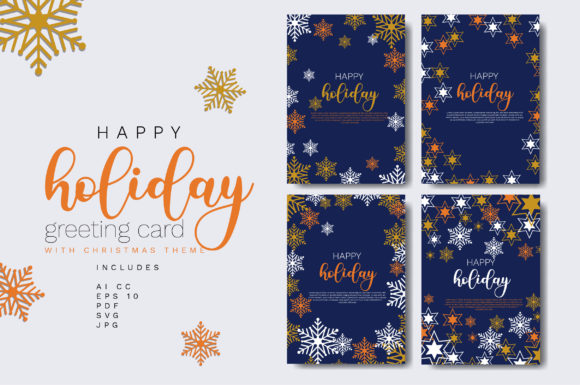
As a seasoned graphic designer working across branding, packaging, and digital marketing visuals, I’m always on the lookout for design assets that can elevate a project without requiring excessive effort. Recently, I reviewed HAPPY HOLIDAY CARD, a Christmas-themed greeting card asset from a creative marketplace freebie collection. What stood out immediately was its festive yet clean approach to visual storytelling. This isn’t just another holiday clipart; it’s a well-crafted illustration that balances charm with professionalism.
A Festive First Impression That Feels Authentic
The first thing that caught my eye when opening the HAPPY HOLIDAY CARD file was the warmth of the color palette—soft reds, gold accents, and muted greens give it a cozy, nostalgic feel while still maintaining a modern aesthetic. The typography is cheerful but not overly playful, which makes it versatile enough for both personal and commercial use. The imagery includes classic holiday symbols like snowflakes, wreaths, and poinsettias, all rendered in a style that feels handcrafted rather than mass-produced.
This kind of design naturally fits into seasonal campaigns for small businesses, especially those in the handmade or boutique space. Whether you're creating product labels, social media graphics, or editorial content, HAPPY HOLIDAY CARD brings an inviting atmosphere that aligns with the spirit of the season.
Real-World Application: From Brand Identity to Print-on-Demand
I tested this asset in several real-world design scenarios to evaluate its performance. In brand identity work for a local artisanal cookie business, I used the holiday greeting card as part of their seasonal packaging design. The illustration worked beautifully as a decorative accent on gift boxes, adding a touch of festivity without overwhelming the brand’s existing logo or tagline.
When applied to a product mockup for a print-on-demand service, the design performed exceptionally well on large layout areas such as posters and flyers. Its high-quality resolution and layered structure made it easy to scale up without losing clarity. However, when placed on smaller items like stickers or buttons, some details became less legible—something to be mindful of during client presentations.
Supporting Campaign Visuals and Emotional Appeal
In campaign visuals for a winter sale event, I integrated the HAPPY HOLIDAY CARD into hero graphics and banner ads. The emotional appeal of the design helped reinforce the theme of joy and celebration, making the promotions more engaging for customers. For a Cricut project, I found the SVG layers highly editable, allowing me to customize elements like text and borders to match the brand's specific needs.
What also impressed me was how the design could support a themed collection. When paired with other related assets, it created a cohesive look for everything from website headers to Pinterest pins. It’s particularly useful for bloggers and content creators who want to add a seasonal flair to their posts without compromising on quality or editability.
Where HAPPY HOLIDAY CARD Shines
- Large layout areas: Ideal for posters, banners, and full-page flyers where visual impact matters most.
- Hero graphics: Works well as a central image in email templates or landing pages for holiday promotions.
- Product mockups: Especially effective on gift wrap, mug designs, tote bags, and other merchandise with ample surface space.
- Printable designs: Perfect for printable wall art, thank-you cards, and downloadable digital products.
- Themed collections: Adds consistency to holiday-themed bundles for Etsy shops or Canva templates.
- Decorative accents: Enhances packaging details, social media posts, or blog headers with a subtle festive touch.
Designers Should Use It Carefully Here
- Small sizes: Some intricate details may become too fine for tiny prints or screens. Always preview at actual size before finalizing.
- Crowded layouts: While charming, the design could get lost if there are too many competing elements. Prioritize spacing and negative area.
- Complex backgrounds: The layered nature of the illustration means it may require careful placement to avoid visual clutter.
- Low-contrast environments: Test the card against both light and dark backgrounds to ensure readability and visibility.
- Minimalist branding: May clash with brands that favor a sleek, no-nonsense look. Best reserved for seasonal or thematic projects.
- Professional corporate materials: Too whimsical for formal reports or boardroom presentations unless specifically requested.
Impact on Readability and Brand Consistency
Readability is a key concern when integrating any design asset into a professional project. In this case, the text within the HAPPY HOLIDAY CARD uses a script font that is both elegant and legible. However, when compared to sans-serif or display fonts commonly used in brand identities, it might not blend seamlessly. Designers should consider whether the font style complements the rest of the brand's typographic system or if it’s better to replace it with a custom typeface.
From a brand consistency standpoint, the design works best when it's part of a broader seasonal strategy. If the brand maintains a consistent visual language throughout the year, the holiday card can serve as a supporting element rather than the main focus. It helps maintain recognition by introducing familiar design cues in a new context.
Testing for Professional Use
Before recommending HAPPY HOLIDAY CARD for a client project, I ran through a few practical checks every designer should perform:
- Black and white test: Converted the design to grayscale to see how it holds up without color. The contrast remained strong enough for most applications.
- Size testing: Printed the card at various scales—from A4 posters down to 5x7 inch postcards. At larger sizes, the details pop; at smaller ones, they need simplification.
- Mockup application: Placed it onto realistic mockups of mugs, t-shirts, and gift tags. It added personality without overshadowing the product itself.
- File format review: Checked PNG transparency and SVG editability. Both formats were well-optimized and ready for immediate use.
- Font comparisons: Tested the original script font against serif, sans-serif, and handwritten alternatives. The script felt right for a holiday vibe but might not suit all brand voices.
- Commercial licensing: Verified that the asset comes with proper commercial license terms, which is essential for use in client-facing work or online stores.
Why This Is a Useful Creative Asset
Despite being labeled as a freebie, HAPPY HOLIDAY CARD delivers a level of polish that often exceeds what you'd expect from a basic graphic. It’s a great example of how a thoughtful design asset can contribute to a project's overall impression, helping to create a sense of trust and familiarity. The attention to detail in the illustration suggests the creator understands the needs of both digital and print designers, making it a reliable addition to your toolkit.
For digital sellers and print-on-demand entrepreneurs, this asset can be repurposed across multiple platforms. Imagine using it as part of a design bundle for a limited-time offer or embedding it into a Canva template for clients who want to create their own holiday content. The flexibility and festive energy make it a solid investment for anyone preparing for the holiday rush.
Final Thoughts for Professional Designers
While HAPPY HOLIDAY CARD won't replace your go-to brand assets, it does offer a unique value in seasonal design work. It's particularly suited for handmade businesses, small shop owners, and crafters looking to add a personalized touch to their holiday offerings. The balance between traditional and modern aesthetics gives it broad appeal across different demographics and industries.
If you're working on a Christmas-themed collection or preparing holiday marketing visuals, this design asset can help streamline your workflow while maintaining a high standard of creativity. Just remember to tailor it to fit the project's visual hierarchy and ensure it supports—not distracts from—the core message.
Ultimately, HAPPY HOLIDAY CARD is more than just a cheerful graphic. It's a strategic tool that can enhance audience engagement, strengthen emotional appeal, and bring a polished finish to your next seasonal campaign.