Blue Unicorn Horse: A Versatile Graphic Design Asset for Creative Projects
As a seasoned graphic designer, I often find myself sifting through design assets to find the perfect visual that aligns with a client’s brand or project needs. Recently, I came across the Blue Unicorn Horse, and it immediately caught my attention—not just for its whimsical charm but for how well it could perform in a variety of real-world design scenarios. This freebie is more than just an illustration; it’s a character-driven element that can elevate the visual storytelling of many creative projects.
First Impressions: Playful Yet Professional?
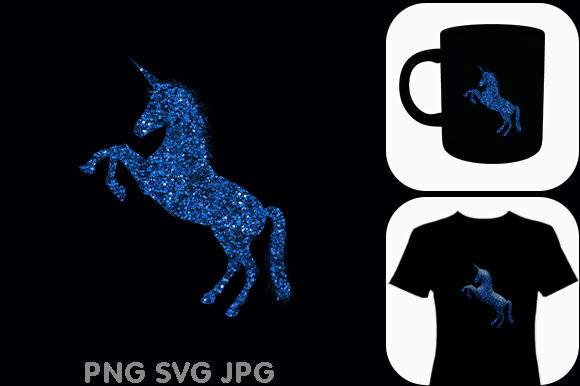
The Blue Unicorn Horse presents itself as a stylized, cartoonish figure with smooth lines and a bold color palette. The deep cerulean hue of the unicorn stands out against most backgrounds, making it visually appealing and adaptable. It carries a sense of fantasy and fun without veering into childish territory, which makes it suitable for a range of audiences—from children's products to nostalgic-themed campaigns.
What struck me first was its emotional appeal. The unicorn feels approachable and friendly, creating a warm and inviting mood. This kind of tone naturally fits handmade brands, boutique product lines, and seasonal campaigns where personality and charm are key. As a design asset, it doesn’t shout but rather suggests a story—something that resonates with clients who want their visuals to feel unique and expressive.
Real-World Applications and Design Performance
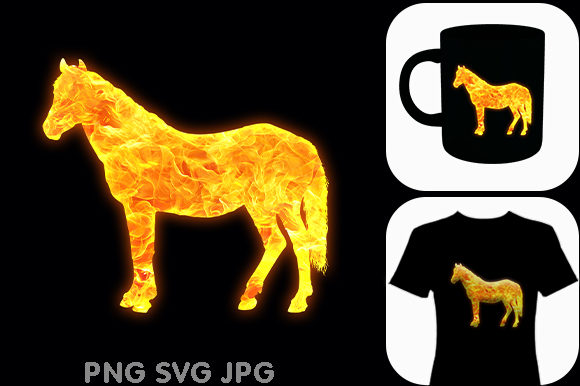
I’ve tested this asset across several practical use cases, and it shines in a few specific areas. For instance, when used in T-shirt designs, it adds a memorable focal point that can become a signature piece for a brand. Its larger size allows for clear detail and strong visual impact, especially on cotton or sublimation-printed garments. Similarly, in product mockups like mugs or tote bags, the unicorn’s presence enhances the overall aesthetic without overwhelming the item itself.
In terms of packaging design, the Blue Unicorn Horse works well as a decorative accent on jar labels, candy wrappers, or recipe cards. It brings a sense of individuality to otherwise simple layouts, helping to differentiate a product in a crowded marketplace. When placed on invitation cards or greeting cards, it adds a touch of enchantment that appeals to niche markets like baby showers, birthday parties, or fantasy-themed events.
For digital platforms such as social media graphics, blog visuals, or editorial design, the unicorn serves as a great supporting element. Whether as part of a themed collection or used to break up long blocks of text, it contributes to a more engaging and dynamic layout. On Pinterest pins or Instagram posts, it helps create a cohesive look that stands out in feeds and encourages interaction.
Where It Excels
- Large layout areas: The design benefits from ample space, allowing its details to breathe and shine.
- Hero graphics: When featured as a main visual, it creates a strong first impression and anchors the design effectively.
- Printable designs: Ideal for scrapbook layouts, photo albums, or note cards where a bit of whimsy is welcomed.
- Themed collections: Works exceptionally well in projects that lean into fantasy, magic, or childhood nostalgia themes.
- Supporting brand elements: Can be layered behind other brand assets to add depth and interest without competing for attention.
Where Caution Is Advised
- Small sizes: At lower resolutions or smaller print scales, some of the finer line work may lose clarity.
- Crowded layouts: In complex compositions, the unicorn might get lost or clash with other design elements if not balanced carefully.
- Low-contrast backgrounds: Its blue tone can fade if placed on similar-colored surfaces, so contrast testing is essential.
- Minimalist branding: While charming, the unicorn might not fit with ultra-clean or modern-minimalist aesthetics unless purposefully styled down.
- Professional corporate materials: Use sparingly here. It leans toward casual and playful, which might not suit formal business contexts.
Design Compatibility and Branding Considerations
One of the strengths of the Blue Unicorn Horse is its versatility in pairing with different typography styles. I tested it with serif fonts for a more traditional look, sans-serif for clean readability, and even a script font for a magical, handwritten feel. Each combination worked, though the best results came from using it alongside soft, rounded typefaces that complement its cartoonish style.
When considering brand identity, the unicorn can be a subtle yet effective mascot. It adds personality without being too literal, making it ideal for small businesses aiming to build a recognizable and relatable visual language. However, it’s important to ensure that it doesn’t overshadow the core branding elements. It should enhance, not dominate.
Technical Checks for Commercial Use
Before recommending this asset for a client project, I always run a few technical tests:
- Test in black and white: The unicorn’s blue remains distinct even in grayscale, which is a plus for multi-format use.
- Contrast on light/dark backgrounds: Performs better on lighter tones, but with slight adjustments, it adapts to darker schemes.
- Preview at small and large sizes: Looks great at full scale, but in tiny formats (like app icons or micrographics), it loses definition.
- Place on real mockups: I tried it on T-shirts, mugs, and stickers. On fabric, it looks vibrant; on glossy stickers, slightly muted but still effective.
- Test print quality: Print-on-demand vendors will appreciate the high-resolution PNG provided, which ensures crisp output even on curved surfaces.
- Review file formats: If available in SVG format, it offers scalability and vector editability, which is crucial for customizations and resizing.
- Confirm commercial licensing: Always double-check before using any freebie in professional work. Some assets come with restrictions that limit their use to personal or non-commercial purposes.
Emotional Appeal and Audience Engagement
What makes the Blue Unicorn Horse truly valuable is its ability to evoke emotion. Fantasy elements have a proven track record of increasing engagement, especially among younger demographics and those seeking comfort in nostalgic imagery. For an Etsy shop selling handmade goods or a local event promoting a whimsical theme, this asset could be a game-changer.
It also supports a consistent visual narrative. When used repeatedly across merchandise, flyers, or web design, it becomes a familiar symbol that customers begin to associate with your brand. That said, overuse can dilute its impact, so balance is key.
Design Hierarchy and Readability
In editorial design or web layouts, the unicorn should never compete with primary content. Its role is to support the message, not distract from it. Placed correctly, it can guide the viewer’s eye and create a natural flow in the design. But if it’s too prominent or positioned awkwardly, it disrupts the visual hierarchy.
I recommend using it in secondary or tertiary positions—such as headers, sidebars, or background motifs—to maintain a professional and readable layout. For digital ads, it can serve as a supporting visual in lifestyle shots or mockups, adding a layer of charm without detracting from the call-to-action.
Commercial Design Asset Evaluation
From a commercial standpoint, the Blue Unicorn Horse has potential as a free asset in a design bundle or clipart set. It’s suitable for print-on-demand sellers and Cricut users looking to add character to their projects. However, for more premium commercial design needs, you might consider investing in a custom illustration that better aligns with your brand’s unique voice and values.
If you're working on a Canva template or designing for a creative marketplace, this unicorn can be a standout feature. Just make sure the rest of the template’s design elements don’t clash in style or tone. Consistency is vital for building trust and recognition in any visual system.
Final Thoughts for Designers and Digital Sellers
The Blue Unicorn Horse is a solid addition to your graphic design toolkit, particularly for projects that benefit from a touch of fantasy and warmth. It’s not a one-size-fits-all solution, but in the right context—especially within handmade businesses, seasonal campaigns, or themed collections—it can significantly enhance the final product.
Remember to assess its performance in both digital and print environments. Check the file formats and confirm commercial license permissions before including it in client deliverables. And always test it in various settings to ensure it complements your design goals rather than complicating them.
Ultimately, the Blue Unicorn Horse isn’t just another freebie—it’s a strategic visual choice that can help tell a story, build a brand, and connect with audiences in meaningful ways. Used thoughtfully, it can turn a basic design into something memorable and impactful.